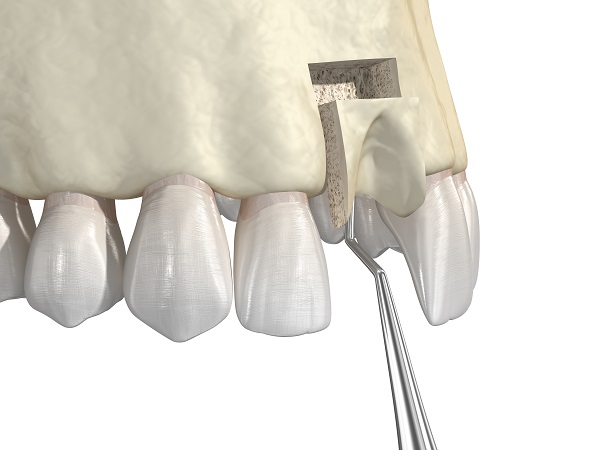
If you are supposed to get dental implant restoration, the dentist might recommend a bone graft as a necessary procedure. This procedure is often recommended for patients who may not have enough jawbone to support the implant. This article covers details you need to know about a bone graft.
Bone grafts for dental implants
If a person has lost their teeth due to injury, periodontal disease, or infection, dental implants are an efficient and long-term solution to consider. The dental implant goes inside the jaw to support the prosthetic teeth. If the patient lacks an adequate amount of healthy natural bone tissue, a bone graft procedure will be required. Deficiency of the jawbone may be caused by gum disease, a prolonged delay before replacing lost teeth, facial injury or trauma, and developmental defects.
For the implant restoration to be successful, the implant post must be fully stable inside the bone so that it can support the tooth affixed to it properly. The dentist will examine the patient’s jaw to ensure there is enough bone volume.
The bone graft procedure repairs and regenerates missing bone and restores correct facial contour through the transplant of bone tissues. The grafting process provides a sturdier base for the dental implant. A patient might still need a bone graft even if they only just had their teeth removed. The hole left by the lost tooth may not be the size of the restoration.
How bone grafts are performed
Different types of bone grafts are available, depending on the extent of the damage and the position of the lost teeth. Usually, the process entails removing bone material from another part of the body and transplanting it to the jawbone. The alternative would be to source the bone from cadaver or animal sources. After the bone graft, it may take a few months for the transplanted bone to regenerate new bone to support the insertion of the dental implant.
After the bone graft procedure
Bone grafts are performed on an outpatient basis and patients are usually sedated during the procedure. The patient should not feel much pain, but discomfort such as bruising, minor bleeding, and gum or skin irritation may occur afterward. These side effects are temporary.
Patients can use pain relievers and antibiotics to help the pain and reduce the risk of infections. The time it takes for the graft to fuse with the natural bone varies, depending on the patient. The dentist will provide dietary instructions, such as sticking to a diet of soft foods during healing to avoid stressing the gums and bone.
Do you need a bone graft for dental implants?
Inadequate jawbone density and quality can disqualify a patient from getting dental implants. An experienced dentist can recommend a bone graft procedure to augment the volume of the bone so it can support implants. Although this treatment will extend the treatment period duration, the result is usually worth the wait: a healthy and appealing set of teeth.
Request an appointment here: https://www.westtexasperio.com or call Advanced Periodontics & Implant Dentistry at (432) 538-3318 for an appointment in our Odessa office.
Check out what others are saying about our services on Yelp: Bone Graft in Odessa, TX.
Related Posts
When a Cosmetic Dentist May Recommend Oral Surgery
Have you been considering improving your smile with a cosmetic dentist? Before treatment begins, this dental professional will evaluate how your oral health and facial appearance intersect. In some cases, they may …
What To Know About Implant Dentistry
Modern implant dentistry offers a reliable way to replace missing teeth with results that look, feel, and function just like the real thing. Many people find that tooth loss makes simple actions …
Tooth Replacement: Transforming Your Smile With Implants
A dental implant is a tooth replacement option that has been growing in popularity — and for good reason. Its long-lasting durability, seamless visual appeal, and jawbone stimulation make it useful in …
Periodontists Specialize in Soft Tissue: Gums and Cheeks
Periodontists can diagnose and treat conditions affecting the gums and cheeks. The soft tissues of the mouth are vulnerable to bacterial infection. Understanding how these dental professionals help patients can ease your …