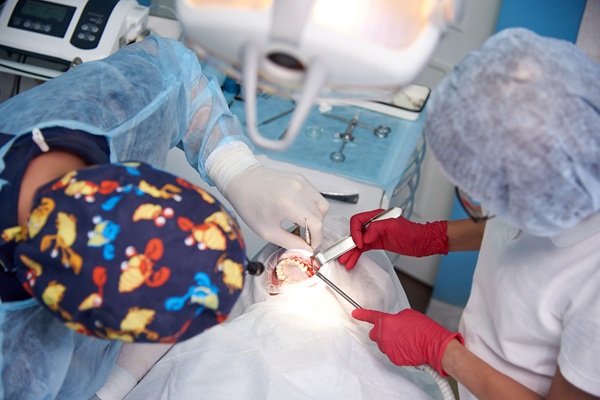
Sinus augmentation rebuilds bone height in the upper back jaw, allowing dental implants to anchor securely. Periodontic and oral surgery protocols emphasize safety, comfort, and predictable outcomes. Patients should understand certain key factors, including candidacy, techniques, healing, and daily expectations, to make informed decisions.
What is sinus augmentation?
Sinus augmentation adds bone between the maxillary sinus and the premolar–molar area. The surgeon gently lifts the sinus membrane and places bone graft material to create stable implant support. Depending on anatomy, the surgeon may use a lateral window approach or a crestal (osteotome) approach.
Who benefits most?
Candidates often include patients with long-standing tooth loss, sinus expansion after extractions, naturally thin posterior maxillae, or bone loss from periodontal disease. Cone-beam CT imaging defines bone height, sinus shape, and membrane health to guide a customized plan.
How do the techniques differ?
The lateral window technique allows broad access when bone height is very limited. The crestal approach is suitable for cases with moderate height requirements and minimal lift needs. Surgeons select autograft, allograft, xenograft, or alloplast materials, and may combine them with biologics to enhance integration.
Is the procedure safe?
Modern protocols support strong safety profiles. Providers review medical history, manage sinus health, and prescribe targeted medications. Common, temporary effects include pressure, swelling, and mild congestion. Membrane complications occur infrequently when experienced clinicians follow careful elevation methods and verify closure.
What does recovery look like?
Most patients resume routine activities within a day or two while avoiding pressure changes. The team recommends using cold compresses, maintaining head elevation, and practicing gentle oral hygiene. Blowing the nose, using straws, and strenuous activity can increase sinus pressure, so clinicians advise temporary restrictions.
When can implant placement occur?
Healing timelines vary with graft type and initial bone. Many cases allow implant placement after four to nine months, once imaging confirms mature, dense bone. Some crestal lifts permit simultaneous implant placement when stability meets torque thresholds.
How should patients prepare?
Stop smoking to improve healing and reduce the risk. Share allergy, medication, and sinus history during the consultation. Manage seasonal allergies before surgery when possible. Arrange transportation if sedation is planned, and prepare soft foods for the first days.
Pre- and post-op essentials:
- Follow medication and rinse instructions exactly
- Keep the surgical site clean with gentle techniques
- Sleep with your head elevated for the first 48 hours
- Avoid nose blowing and heavy exertion until cleared
- Attend all follow-up visits and imaging checks
How long do results last?
Stable grafts support implants for many years with proper hygiene and maintenance. Regular professional cleanings, home care, and nightguard use for bruxism protect both grafted bone and implants. Periodic exams verify sinus health and long-term stability.
Clear, science-based planning makes sinus augmentation a predictable procedure. With personalized technique selection, careful recovery, and consistent maintenance, sinus augmentation supports secure implants and durable function while protecting overall sinus and oral health. For more information or to schedule an appointment, call our office at (432) 538-3318.
To schedule a consultation, please request an appointment on our website at https://www.westtexasperio.com or call Advanced Periodontics & Implant Dentistry at (432) 538-3318 to arrange an appointment at our Odessa office.
Check out what others are saying about our services on Yelp: Read our Yelp reviews.
Related Posts
Periodontal Disease and Aesthetic Tissue Grafting
Aesthetic tissue grafting protects exposed roots from decay, reduces tooth sensitivity, and improves the appearance of your smile. Whether you get a gum tissue graft to enhance function or aesthetics, you will …
Implant Supported Dentures vs. Traditional Dentures
Implant-supported dentures often appeal to patients who feel frustrated by loose or uncomfortable traditional dentures. This treatment uses dental implants to securely anchor a custom denture for a solution that looks natural …
3 Benefits to Replace Missing Teeth with Dental Implants
Dental implants are the gold standard of dental replacements. Titanium rods and porcelain crowns are the most stable dental replacements you can get. Once osseointegration ends, you will have a strong, stunning …
Sedation Dentistry for Complex Periodontal Procedures
Sedation dentistry helps patients stay calm, allowing periodontists to efficiently perform their work while ensuring their patient's comfort and safety. Many people suffer from severe dental anxiety. This fear can stop them …