
You may have many questions on your mind if your periodontist tells you that you require a gum graft. Read on to learn more about this procedure. Learning about gum grafting, the process, and the recuperation period is a great step toward easing these concerns.
An overview of gum graft procedures
Gum grafting is a periodontist-performed dental treatment. It is the standard treatment for gum recession to avoid exposing the root surface of the teeth, which can lead to decay and discomfort. Gum grafts can reverse these negative consequences of the condition and restore gum health to preserve the protective barrier surrounding the teeth.
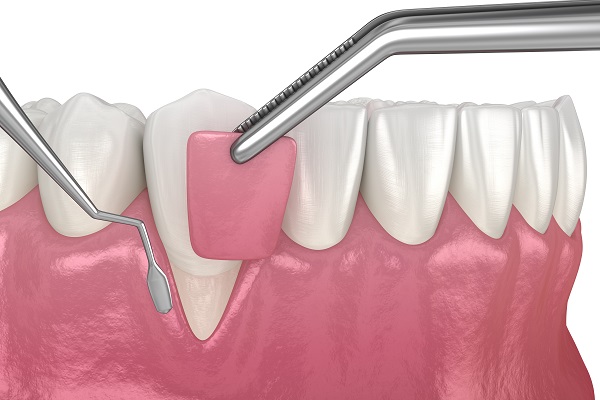
A gum graft entails taking a portion of tissue from the roof of the mouth or nearby healthy gum tissue. This portion is then grafted to the receding gum tissue. In essence, it is a two-part treatment that involves using healthy tissue to fix problems and safeguard the smile from potential complications.
Gum grafting can be done in various ways, each addressing a different periodontal issue. The degree of gum recession, the amount to which the cheek can pull on the surgical site during everyday activities, and whether the gums have receded in between the teeth or only on the front surface all influence which type of gum transplant is advised.
Gum graft procedures all entail taking donor tissue from another region of the mouth and connecting it to the receding gums. The periodontist will go through each of these gum grafting procedures with the patient and recommend the ideal option based on their unique situation and oral health history.
The gum grafting process
One of the interesting things about a gum transplant is how little preparation is required. It simply entails meeting with a periodontist to determine the severity of the recession problem and the most suitable gum grafting procedure.
There are no food restrictions or drugs to take before the operation; patients will only need to arrange for a ride to and from the dental office, as the combination of anesthetic, post-op medication, and minor pain can make being alone or driving unsafe.
A local anesthetic will be given to numb the region. In certain situations, general anesthesia may be used instead, especially if the patient is nervous and can relax more easily if asleep.
Since the periodontist has previously selected the donor tissue for harvesting and plotted out the grafting location, the gum grafting process itself is quick. Patients will be instructed to rinse their mouths with an antimicrobial mouthwash after the sutures are in place and the graft has been secured. The periodontist may also urge them to wait for an hour or two after the graft to check that everything went well.
The bottom line
During the initial consultation, the periodontist will guide the patient through the gum graft process. Make an appointment right away if you have observed the warning symptoms of gum recession. If left untreated, gum recession will worsen over time.
Request an appointment here: https://www.westtexasperio.com or call Advanced Periodontics & Implant Dentistry at (432) 538-3318 for an appointment in our Odessa office.
Check out what others are saying about our services on Yelp: Gum Graft in Odessa, TX.
Related Posts
Periodontal Disease and Aesthetic Tissue Grafting
Aesthetic tissue grafting protects exposed roots from decay, reduces tooth sensitivity, and improves the appearance of your smile. Whether you get a gum tissue graft to enhance function or aesthetics, you will …
Implant Supported Dentures vs. Traditional Dentures
Implant-supported dentures often appeal to patients who feel frustrated by loose or uncomfortable traditional dentures. This treatment uses dental implants to securely anchor a custom denture for a solution that looks natural …
3 Benefits to Replace Missing Teeth with Dental Implants
Dental implants are the gold standard of dental replacements. Titanium rods and porcelain crowns are the most stable dental replacements you can get. Once osseointegration ends, you will have a strong, stunning …
Sedation Dentistry for Complex Periodontal Procedures
Sedation dentistry helps patients stay calm, allowing periodontists to efficiently perform their work while ensuring their patient's comfort and safety. Many people suffer from severe dental anxiety. This fear can stop them …